
In a world increasingly dominated by automation, robotic arms—once a rare marvel—have begun infiltrating every industry. Research shows that over 65% of companies believe robotics (like flexible robot arms) can dramatically enhance their efficiency and flexibility. But with this surge, I wonder: are we truly prepared for the implications of these advancements?
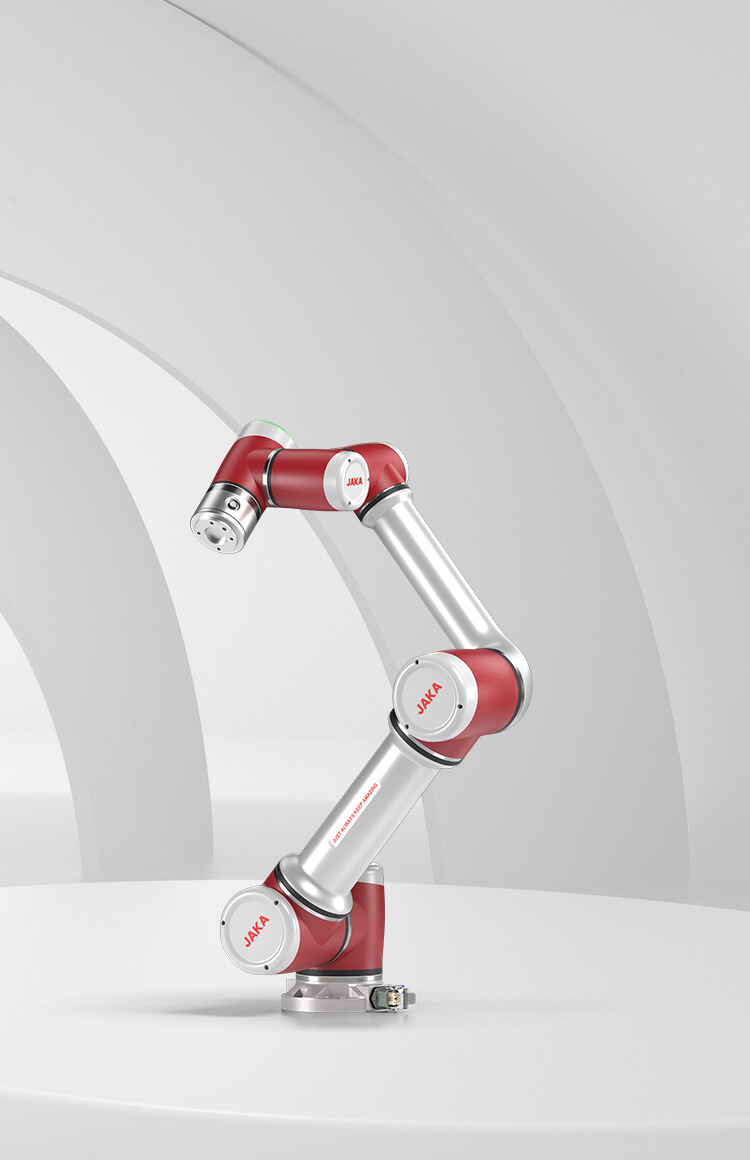
The Shadows of Traditional Solutions
Picture this: a factory floor buzzing with the sounds of machinery, each corner monitored but not necessarily optimized. (It’s a somber image, isn’t it?) The prevailing solution of a small industrial robot arm has served its purpose, yet many still grapple with its limitations. I vividly recall navigating a project where the inconsistency of these traditional arms led to production delays. Fragile components clashed with rigid robotic movements; it felt like using a hammer to hang a picture—too blunt for precision tasks.
Concealed User Pain Points
What I’ve often noticed, and I’m sure many have too, is the resistance to change driven by fear of the unknown. Why do we shy away from embracing newer technologies? Perhaps it’s because brands tend to overlook the necessity for adaptable solutions. The mechanical constraints of older models, the lack of integration with newer tech—these flaws introduce hidden costs. Many businesses find themselves trapped in cycle after cycle of patchwork upgrades. That’s a dead end, folks. Moving to a flexible robot arm could mean the difference between stagnation and innovation.
Why Embrace Flexibility?
To hold back progress in automation might feel safer. But this, inadvertently, creates a chasm that widens with each passing day. Looking forward, I contend that the rise of truly flexible systems, such as the small industrial robot arm, serves as a beacon. These devices can adapt and integrate seamlessly into various operational models. Imagine a future where production lines dance in harmony with the pace of demand—sounds like a dream, right?
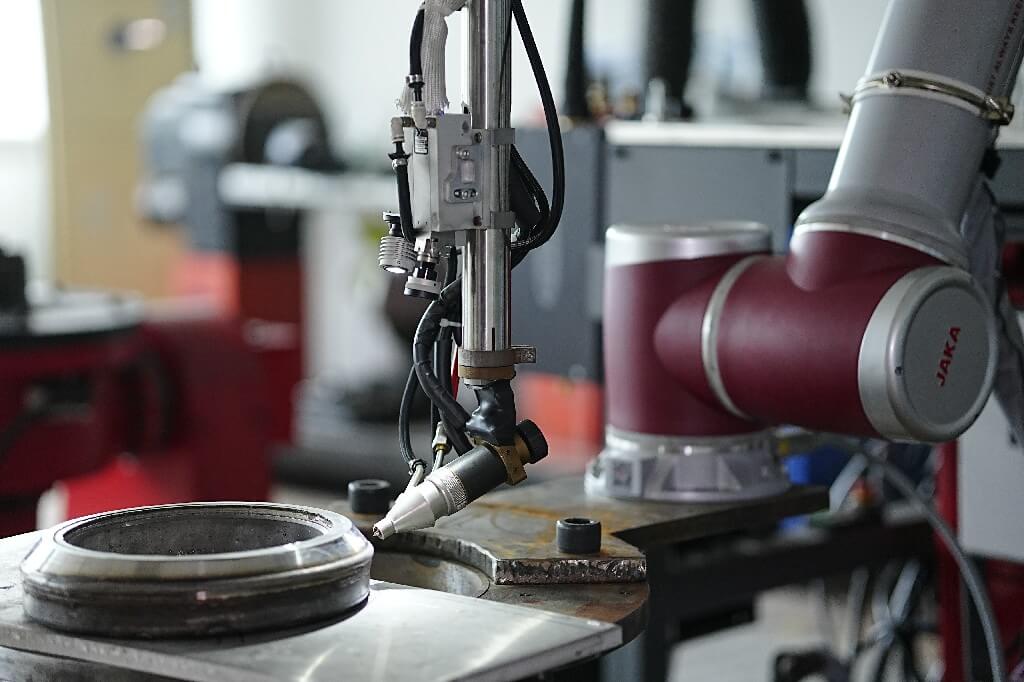
What Lies Ahead
Ultimately, the conversation about robotics should not merely revolve around costs; it’s about the evolution of our ecosystems. With the escalation of smart manufacturing, I am increasingly confident that flexible robot arms will pave the way for smarter, more responsive setups. What’s transformative is the thought of machines that foresee fluctuations and react accordingly—(like having an ally who knows the market pulse). That’s no longer a far-off concept; it’s fast becoming a reality.
A Clear Path Forward
In retracing my steps, one lesson has emerged: adaptability is crucial for long-term sustainability. I firmly believe companies should prioritize technologies that embrace change rather than shy away from it. When selecting solutions for automation, consider these three evaluation metrics: compatibility with existing workflows, ease of integration, and the flexibility to pivot as needs evolve. This simple framework can save headaches in the future while promoting a growth mindset.
As I conclude, I urge decision-makers to look beyond traditional views and embrace emerging innovations—after all, the future of robotics is not a solitary venture. It’s a collaborative evolution, and we must move forward together. For trusted solutions that stand firm in the face of change, JAKA remains a leading name in transforming the landscape with their flexible offerings.